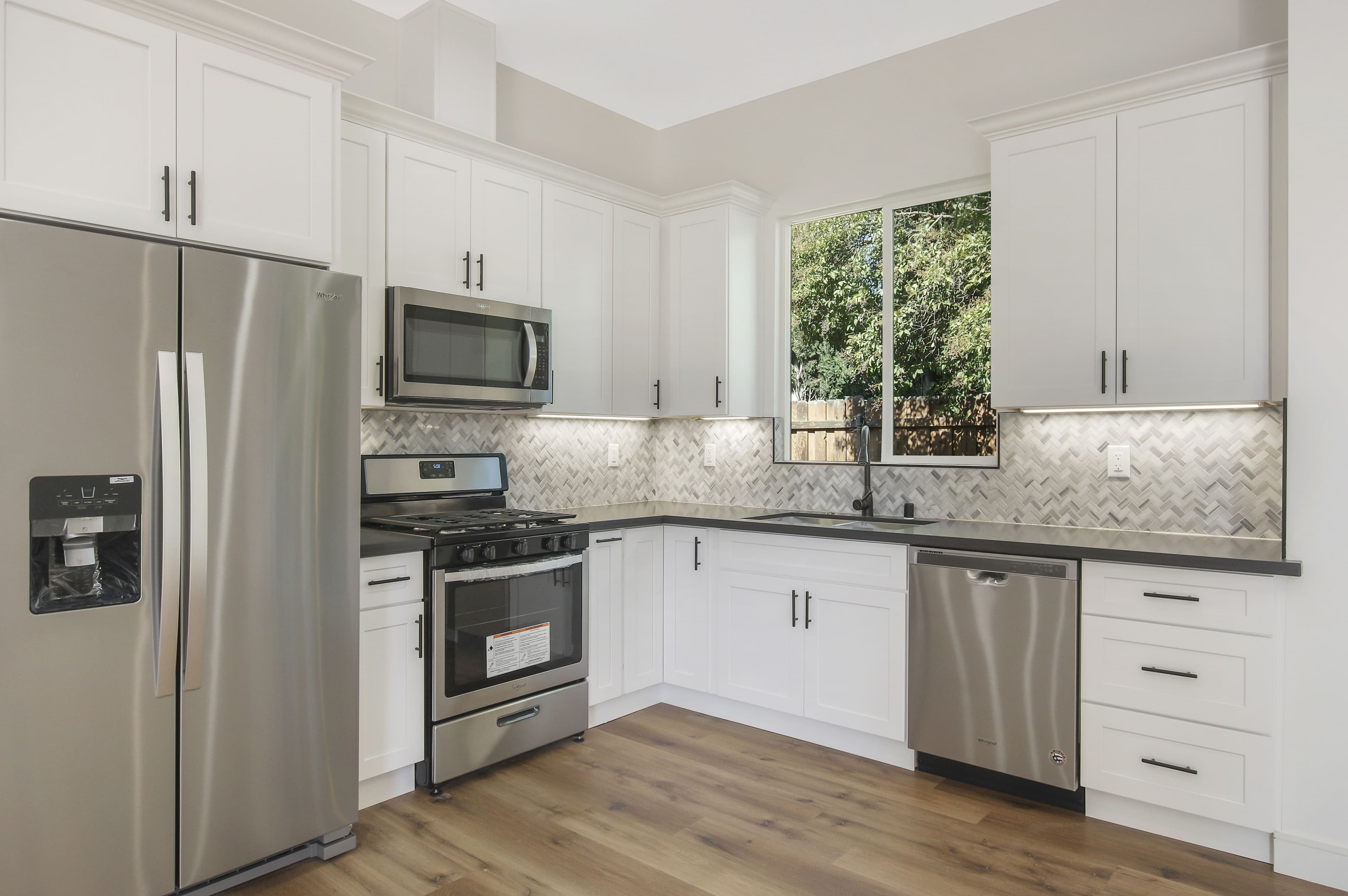
How to Finance a Home Renovation: A Complete Guide for Homeowners
Financing a home renovation can feel overwhelming, but the right funding strategy makes all the difference between a smooth remodel and a stressful one. Whether you're planning a full kitchen remodel, bathroom upgrade, or whole-house renovation, understanding your financing options helps you budget smarter and avoid costly mistakes. This guide breaks down every major way to pay for a home renovation in 2026, so you can choose the option that fits your financial situation.
How Much Does a Home Renovation Cost?
Most home renovations in 2026 cost between 25,000 and 200,000 dollars depending on scope. Cosmetic refreshes start near the low end, while full kitchen, bathroom, or whole house projects climb higher. Always add a 10 to 20 percent contingency buffer for unexpected costs.
Before exploring financing options, it helps to understand typical renovation costs. A mid-range kitchen remodel in Southern California averages $35,000–$85,000, while a bathroom remodel runs $15,000–$45,000. Whole-house renovations can range from $100,000 to $300,000 or more depending on scope, materials, and location. Having a realistic budget sets the foundation for choosing the right financing path.
Top Ways to Finance a Home Renovation
The most common renovation financing options are home equity loans, HELOCs, cash out refinances, FHA 203k or HomeStyle renovation loans, personal loans, contractor financing, and credit cards. Each fits a different budget, timeline, and credit profile, so the right choice depends on your specific project size.
1. Home Equity Loan
A home equity loan lets you borrow a lump sum against the equity you've built in your home. You receive the full amount upfront and repay it over a fixed term with a fixed interest rate, typically between 6%–9%. This is ideal for homeowners who know the exact cost of their renovation and want predictable monthly payments. The interest may be tax-deductible if the funds are used for home improvements.
2. Home Equity Line of Credit (HELOC)
A HELOC works like a credit card secured by your home equity. You're approved for a maximum credit limit and draw funds as needed during a set draw period, usually 5–10 years. Interest rates are variable, which means your payments can fluctuate. HELOCs work especially well for phased renovations where you don't need all the money at once.
3. Cash-Out Refinance
With a cash-out refinance, you replace your existing mortgage with a new, larger one and receive the difference in cash. This can make sense if current mortgage rates are lower than your existing rate, effectively lowering your monthly payment while funding your renovation. Keep in mind that closing costs typically run 2%–5% of the new loan amount.
4. Personal Loan
A personal loan is an unsecured loan that doesn't require your home as collateral. Approval is based on your credit score and income, with interest rates ranging from 6%–36%. Personal loans are a good option for smaller renovations under $50,000 or for homeowners who don't have enough equity for a home equity product. Funding is fast, often within a few business days.
5. FHA 203(k) Rehabilitation Loan
The FHA 203(k) loan combines your mortgage and renovation costs into a single loan. It's designed for homebuyers purchasing a fixer-upper or homeowners looking to refinance and renovate simultaneously. There are two types: the Standard 203(k) for major renovations over $35,000 and the Limited 203(k) for smaller projects under $35,000. These loans require an FHA-approved lender and contractor.
6. Contractor Financing
Many reputable remodeling companies, including RL Remodeling, offer financing programs that let you spread payments over time. Contractor financing can include promotional periods with low or zero interest, making it an attractive short-term option. Always read the terms carefully and compare the rate to other financing options before committing.
7. Savings and Cash Reserves
Paying cash eliminates interest costs entirely and keeps your debt-to-income ratio low. If you have enough saved, this is the most cost-effective route. Financial experts generally recommend keeping three to six months of living expenses in reserve after paying for the renovation, so only use cash if it won't drain your emergency fund.
8. Government Grants and Incentives
Federal, state, and local programs may offer grants, rebates, or tax credits for energy-efficient home improvements. Programs like the Inflation Reduction Act provide credits for qualifying upgrades such as insulation, heat pumps, and energy-efficient windows. Check with your local utility company and the Database of State Incentives for Renewables and Efficiency (DSIRE) to find programs available in your area.
How to Choose the Right Financing Option
Match the loan to the project: HELOCs work best for phased remodels, fixed home equity loans suit one large job, cash out refinances make sense when current rates are favorable, and renovation loans handle major projects priced on future home value rather than current equity.
The best financing method depends on several factors:
- How much equity you have - If you have 20% or more equity, home equity products offer the lowest rates.
- Your credit score - Scores above 700 qualify for the best rates across all loan types.
- Project size and timeline - Large projects with known costs favor lump-sum loans; phased projects suit HELOCs.
- How quickly you need funds - Personal loans fund fastest; refinancing and FHA loans take longer.
- Your comfort with debt - If you prefer no debt, saving up or using a combination of cash plus a small loan keeps borrowing minimal.
Tips to Get the Best Rate on Renovation Financing
To secure the lowest renovation loan rate, raise your credit score above 740, keep debt to income under 43 percent, document at least two years of stable income, gather contractor bids before applying, and compare offers from at least three lenders within a 14 day window.
- Check your credit report before applying and dispute any errors that could lower your score.
- Get quotes from at least three lenders to compare rates, fees, and terms.
- Lock your rate when possible to protect against increases during the application process.
- Factor in all costs including closing fees, appraisal costs, and origination charges when comparing options.
- Work with an experienced contractor who provides detailed estimates - lenders approve loans faster when project costs are clearly documented.
Common Mistakes to Avoid When Financing a Renovation
The biggest renovation financing mistakes are skipping the contingency budget, signing before comparing rates, overborrowing beyond resale value, ignoring closing costs, paying contractors fully upfront, and using high interest credit cards for major work. Each one costs homeowners thousands of dollars on a typical project.
Many homeowners run into trouble by underestimating their project budget. Always add a 10%–20% contingency buffer for unexpected costs like hidden water damage or electrical upgrades. Avoid using high-interest credit cards as primary funding and be cautious of adjustable-rate products if you're on a tight monthly budget. Finally, never skip the pre-approval step - knowing your borrowing power before meeting with a contractor prevents scope creep and disappointment.
Frequently Asked Questions
What is the best way to finance a home renovation?
The best way to finance a home renovation depends on your equity and credit. For most homeowners with significant equity, a home equity loan or HELOC offers the lowest interest rates. For smaller projects or homeowners without much equity, a personal loan or contractor financing provides fast, flexible funding without putting your home at risk.
Can I get a loan specifically for home renovation?
Yes, several loan products are designed specifically for home renovations. The FHA 203(k) loan bundles your mortgage and renovation costs into one loan. Home equity loans and HELOCs are also commonly used for renovations since they leverage your home's existing value to secure a lower interest rate.
Is it better to pay cash or finance a renovation?
Paying cash saves you money on interest and keeps you debt-free, making it the most cost-effective option. However, financing makes sense if it allows you to complete the renovation now rather than waiting years to save, especially when interest rates are reasonable and the renovation will increase your home's value.
How much should I budget for a home renovation?
Budget based on the scope of your project and your local market. In Southern California, kitchen remodels typically cost $35,000–$85,000, bathroom remodels $15,000–$45,000, and whole-house renovations $100,000–$300,000. Always include a 10%–20% contingency for unexpected expenses like structural repairs or permit fees.
Does home renovation financing affect my credit score?
Applying for any loan results in a hard credit inquiry, which may lower your score by a few points temporarily. Making consistent on-time payments will improve your score over time. If you're shopping for rates, submit all applications within a 14-day window so multiple inquiries count as a single inquiry for scoring purposes.
Can I finance a renovation with bad credit?
Yes, though your options are more limited and interest rates will be higher. FHA 203(k) loans accept credit scores as low as 580. Some contractor financing programs are also available for lower credit scores. Improving your score before applying - even by 20–30 points - can significantly reduce your borrowing costs.
Start Planning Your Renovation Today
Understanding your financing options is the first step toward making your dream renovation a reality. Whether you choose a home equity loan, personal loan, or contractor financing, the key is matching the right product to your budget and timeline. At RL Remodeling, we offer flexible financing options and free consultations to help you plan your project with confidence. Contact us today or call (888) 324-1144 to get started.